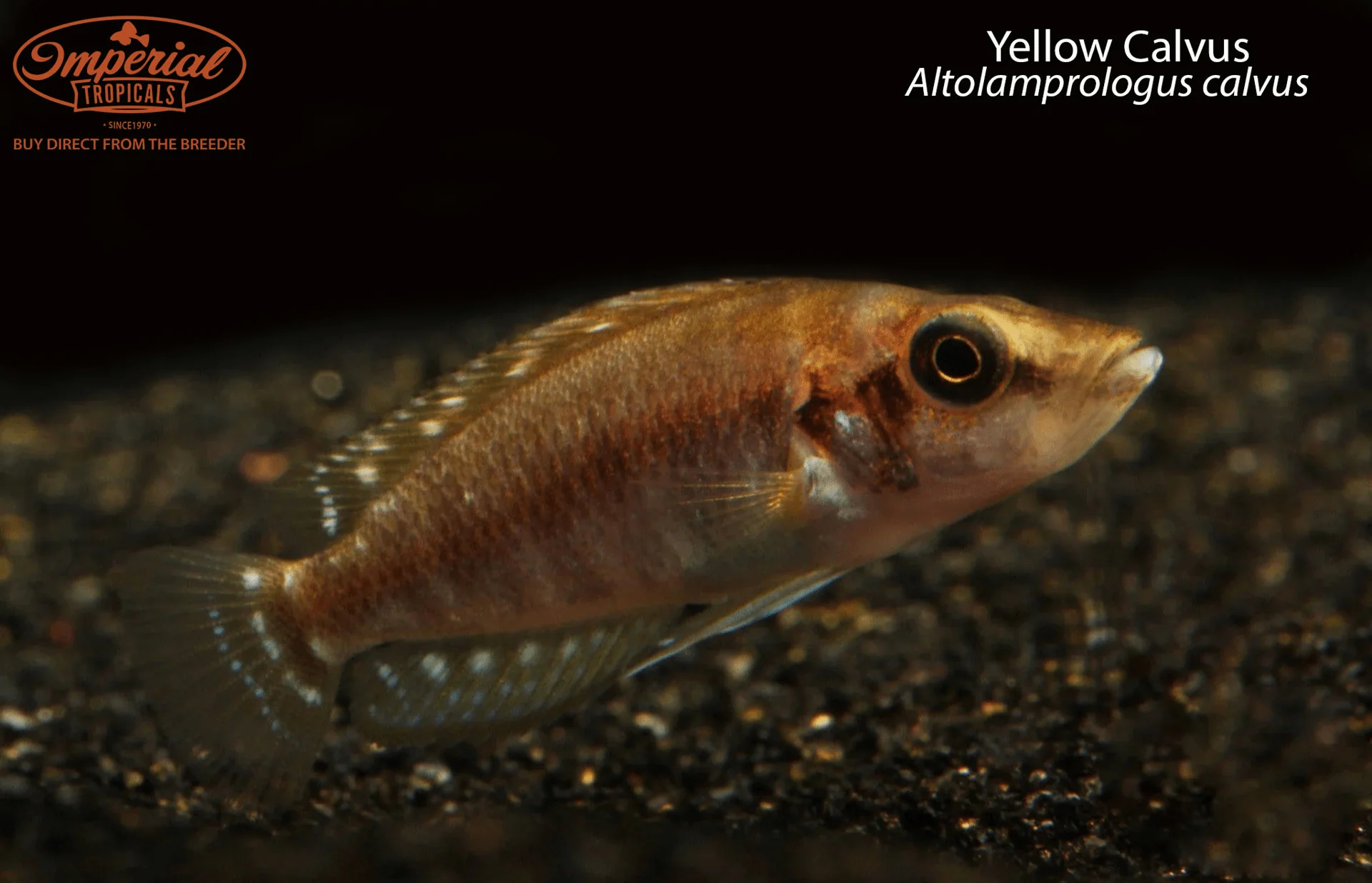
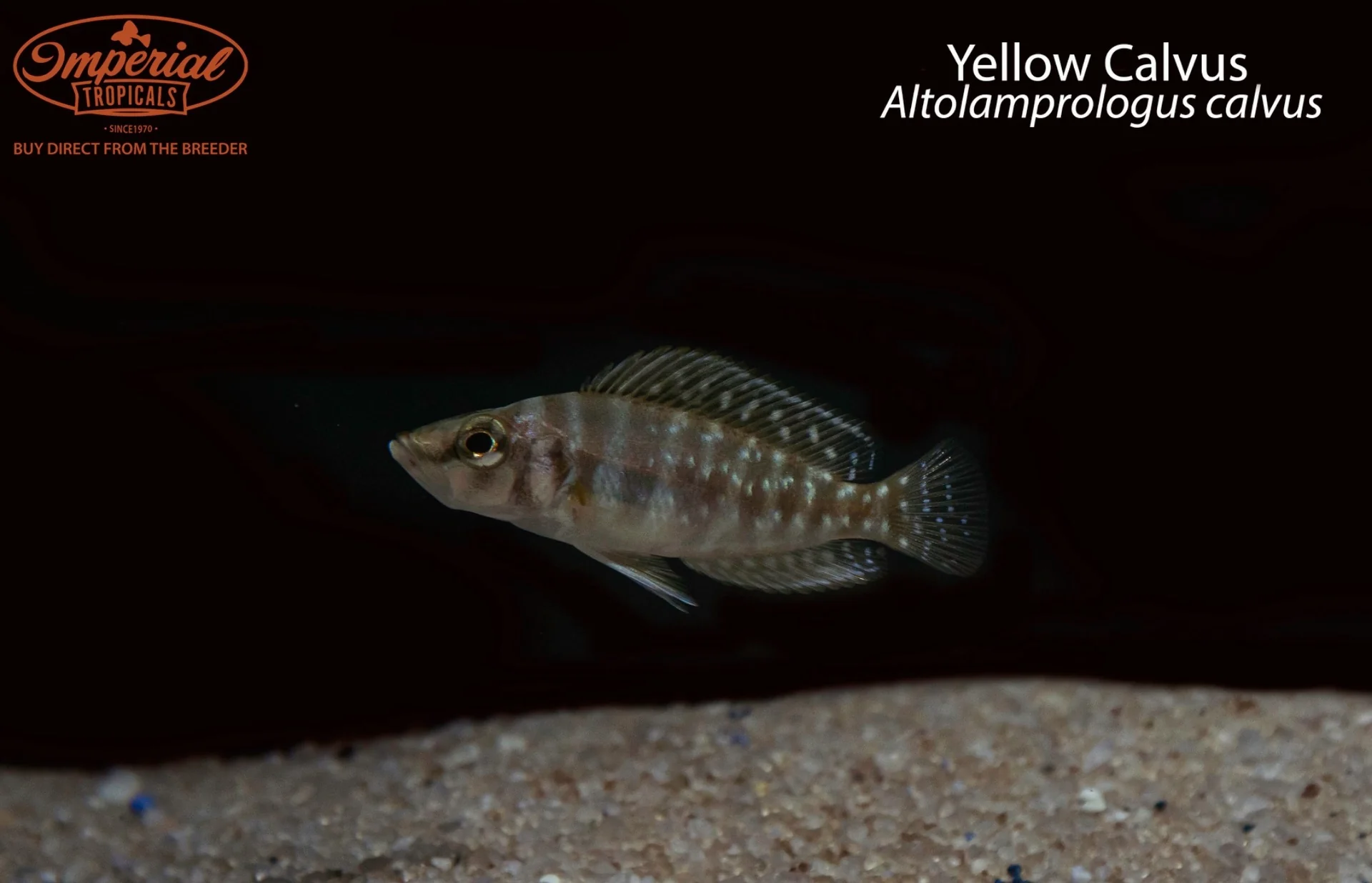
Yellow Calvus
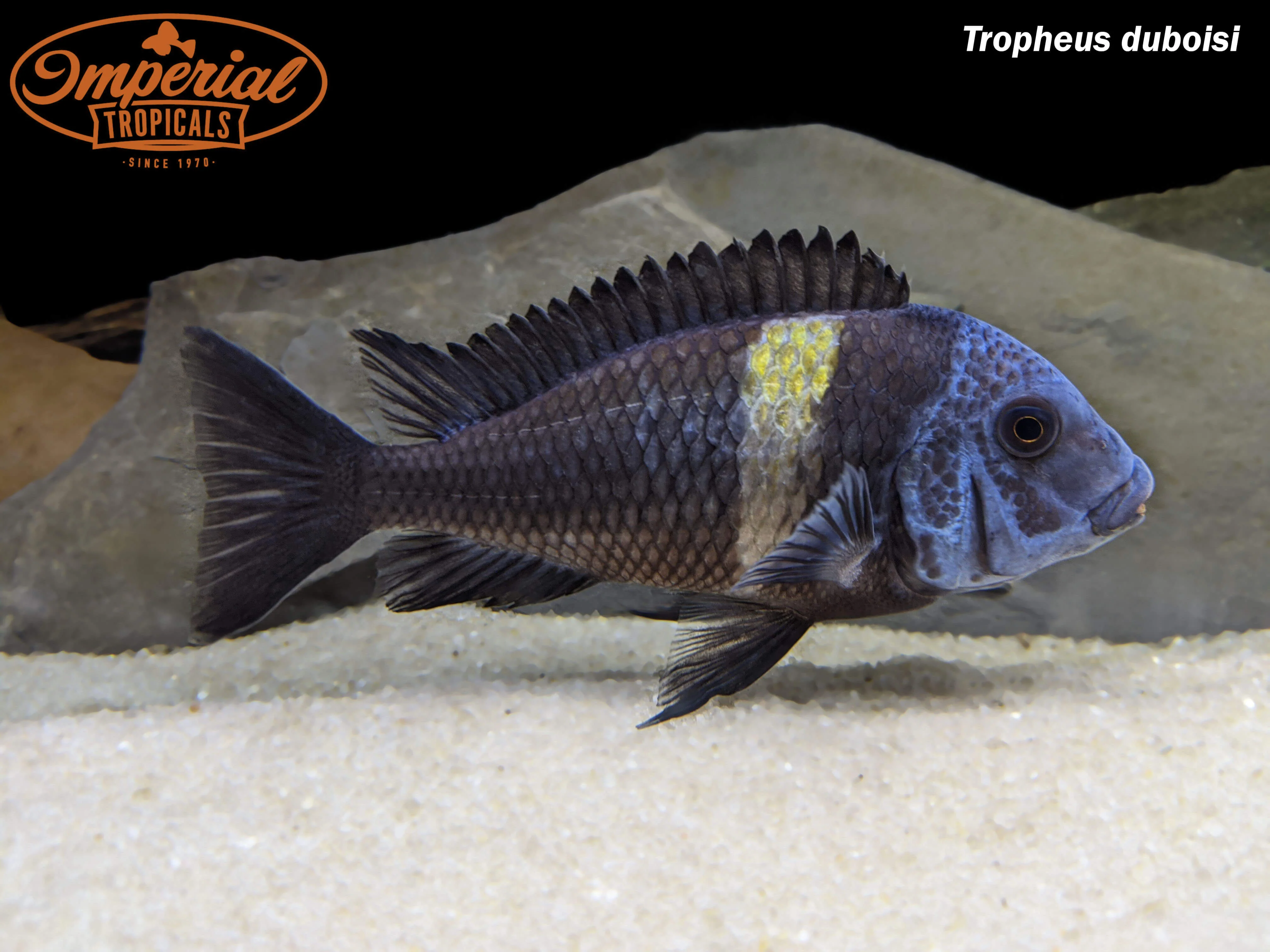
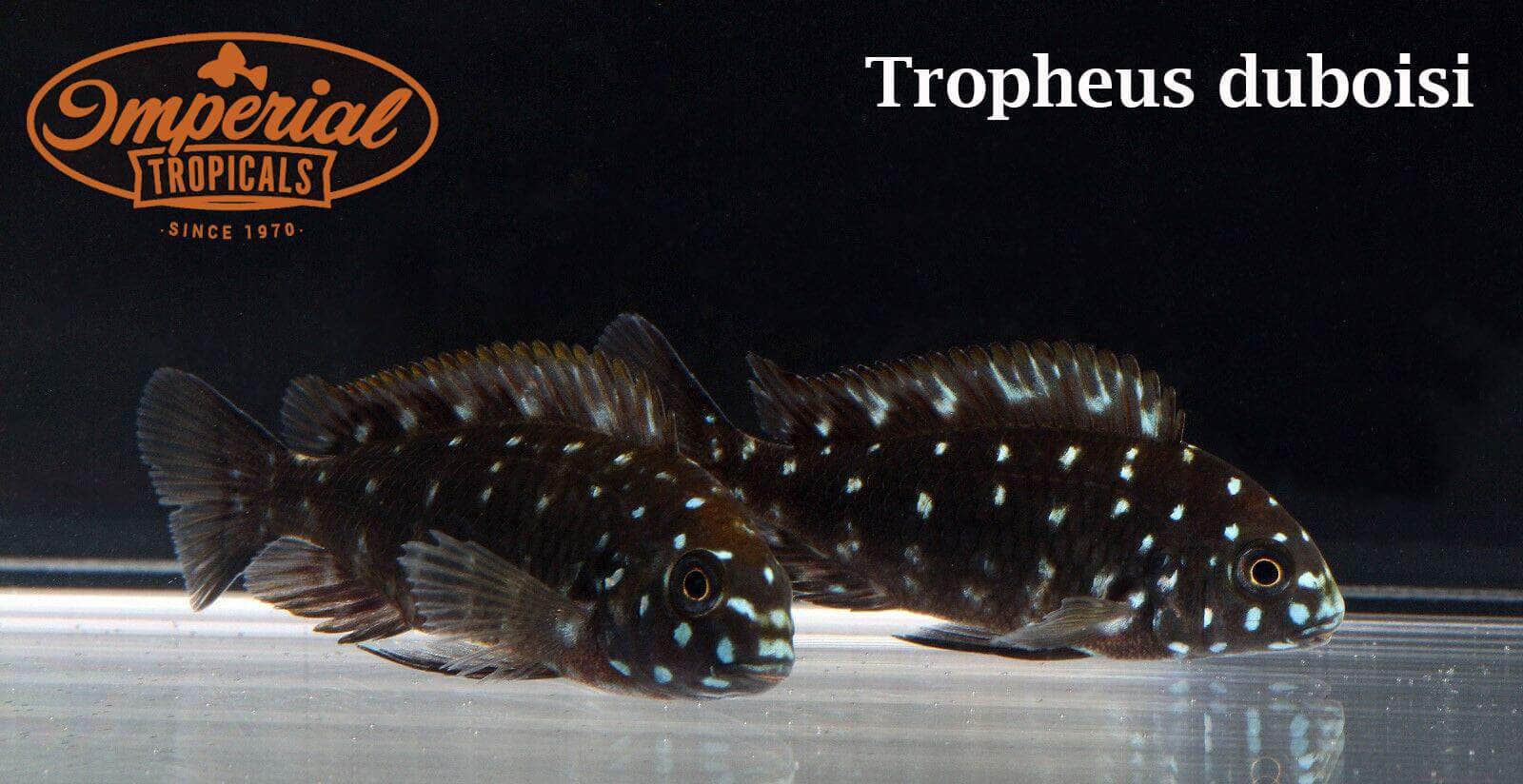
Remarks: Calvus are best maintained as a single pair, but can be maintained in groups if in large enough aquaria. It's not particularly territorial and can make a good addition to a community of Tanganyikan species, but shouldn’t be kept alongside anything small enough to be considered food. It is not recommended as a companion for Tropheus or any others species requiring a low protein diet. They grow very slowly with some taking years to reach maturity.
In the wild, calvus are ambush predators that wait in crevices between rocks until prey comes by. Once it does, their mouth juts out to nearly the size of the tallest part of their body in one fast motion, engulfing their prey. These crevices are also where these fish spawn with both parents guarding the eggs and fry.
Scientific Name: Altolamprologus calvus
Common Name: Yellow Calvus
Max Size: 6"
pH: 7.5-8.4
Hardness: Hard
Temperature: 74-82°
Aggressiveness: Semi-Aggressive
Region of Origin: Lake Tanganyika, Africa
Captive Bred or Wild: Captive Bred
Diet: Flake or pellet
Compatibility: Lake Tanganyikan cichlids, Synodontis catfish.
Tank Mate Options:
- Neolamprologus caudopunctatus
- Altolamprologus compressiceps
- Synodontis multipunctatus
Description
Remarks: Calvus are best maintained as a single pair, but can be maintained in groups if in large enough aquaria. It's not particularly territorial and can make a good addition to a community of Tanganyikan species, but shouldn’t be kept alongside anything small enough to be considered food. It is not recommended as a companion for Tropheus or any others species requiring a low protein diet. They grow very slowly with some taking years to reach maturity.
In the wild, calvus are ambush predators that wait in crevices between rocks until prey comes by. Once it does, their mouth juts out to nearly the size of the tallest part of their body in one fast motion, engulfing their prey. These crevices are also where these fish spawn with both parents guarding the eggs and fry.
Scientific Name: Altolamprologus calvus
Common Name: Yellow Calvus
Max Size: 6"
pH: 7.5-8.4
Hardness: Hard
Temperature: 74-82°
Aggressiveness: Semi-Aggressive
Region of Origin: Lake Tanganyika, Africa
Captive Bred or Wild: Captive Bred
Diet: Flake or pellet
Compatibility: Lake Tanganyikan cichlids, Synodontis catfish.
Tank Mate Options:
- Neolamprologus caudopunctatus
- Altolamprologus compressiceps
- Synodontis multipunctatus