Turkis Peacock
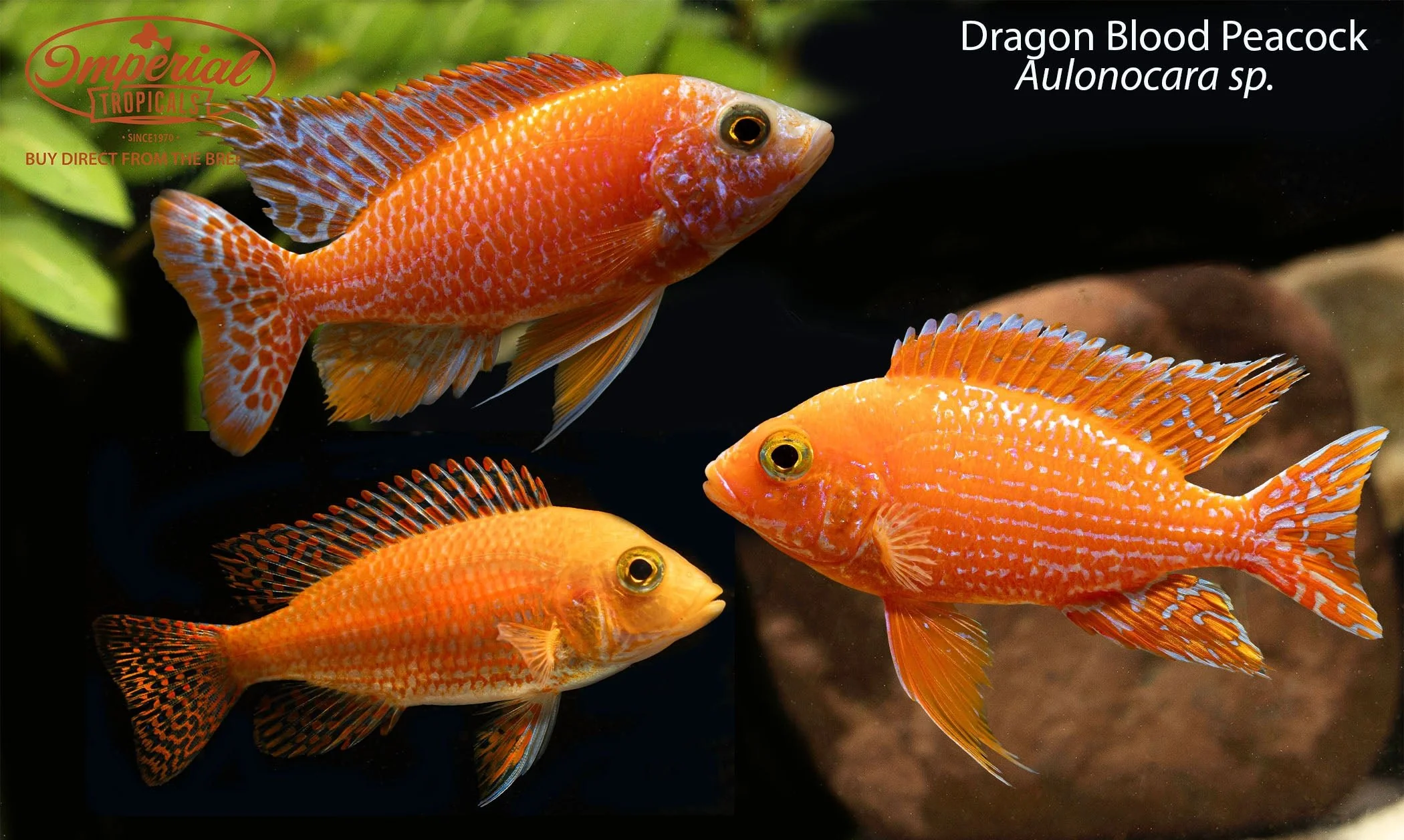
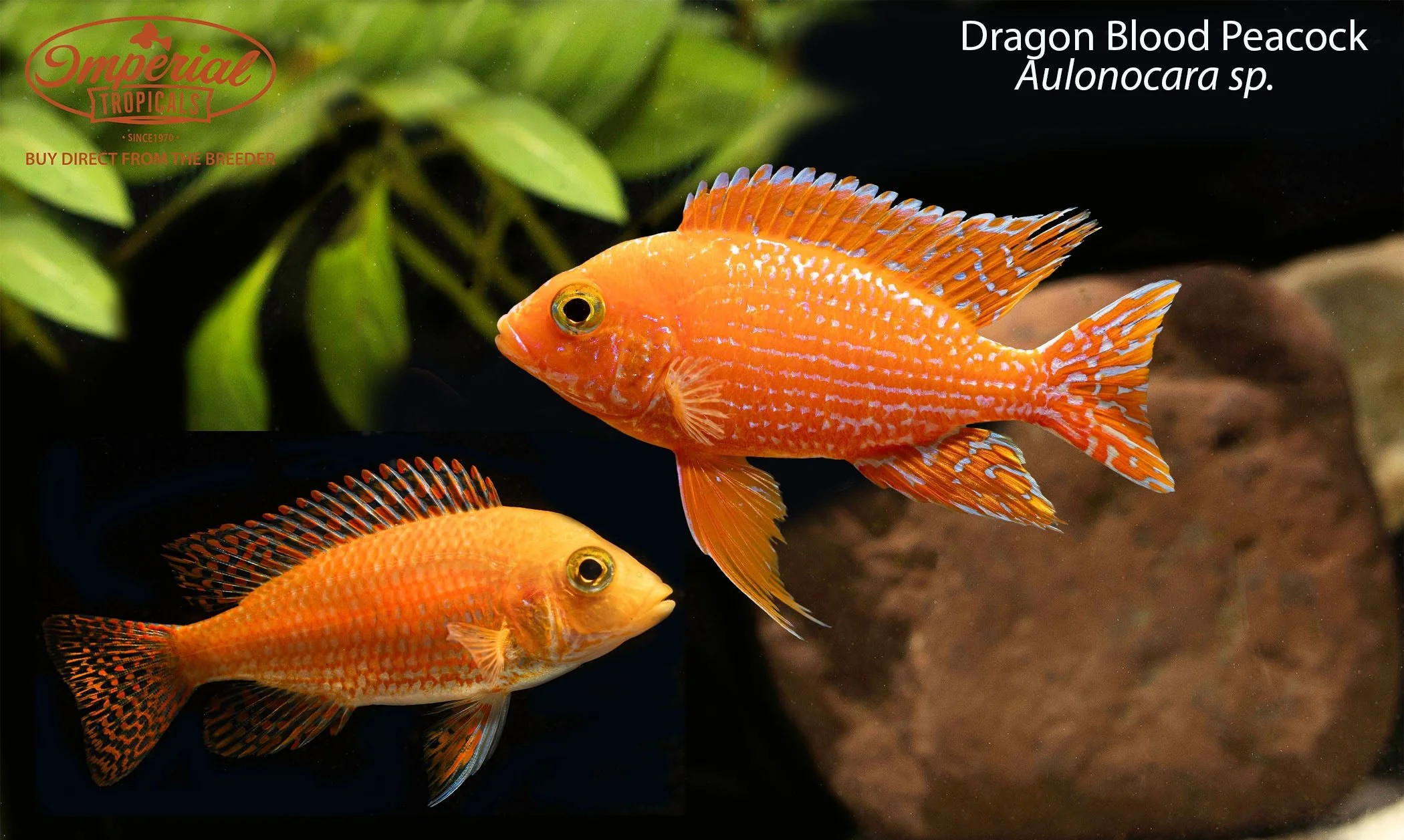
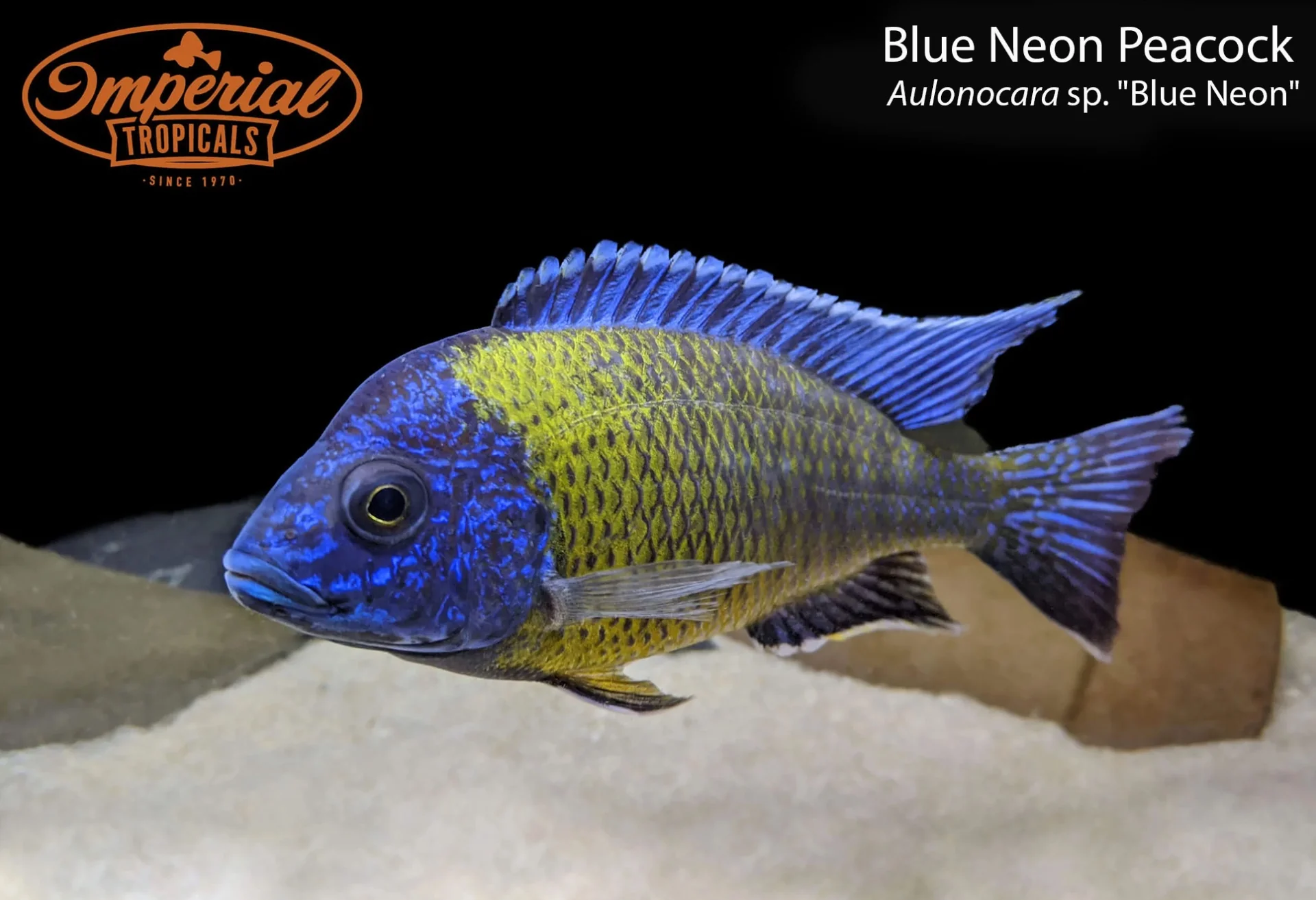
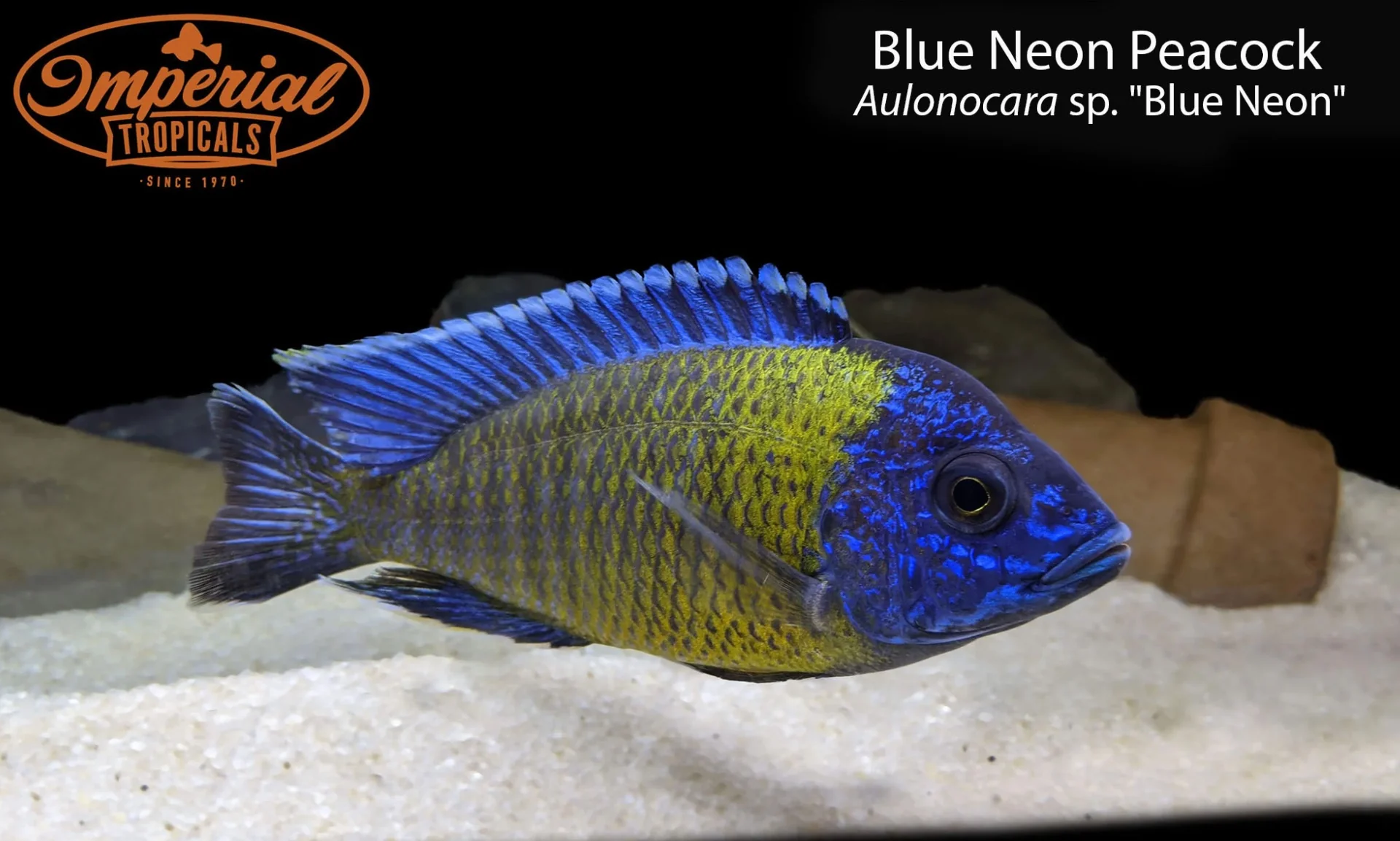
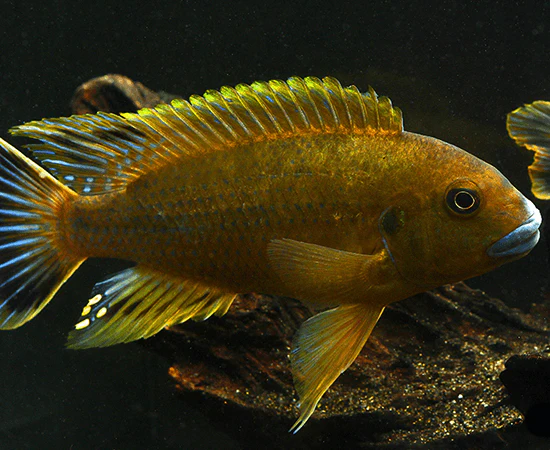
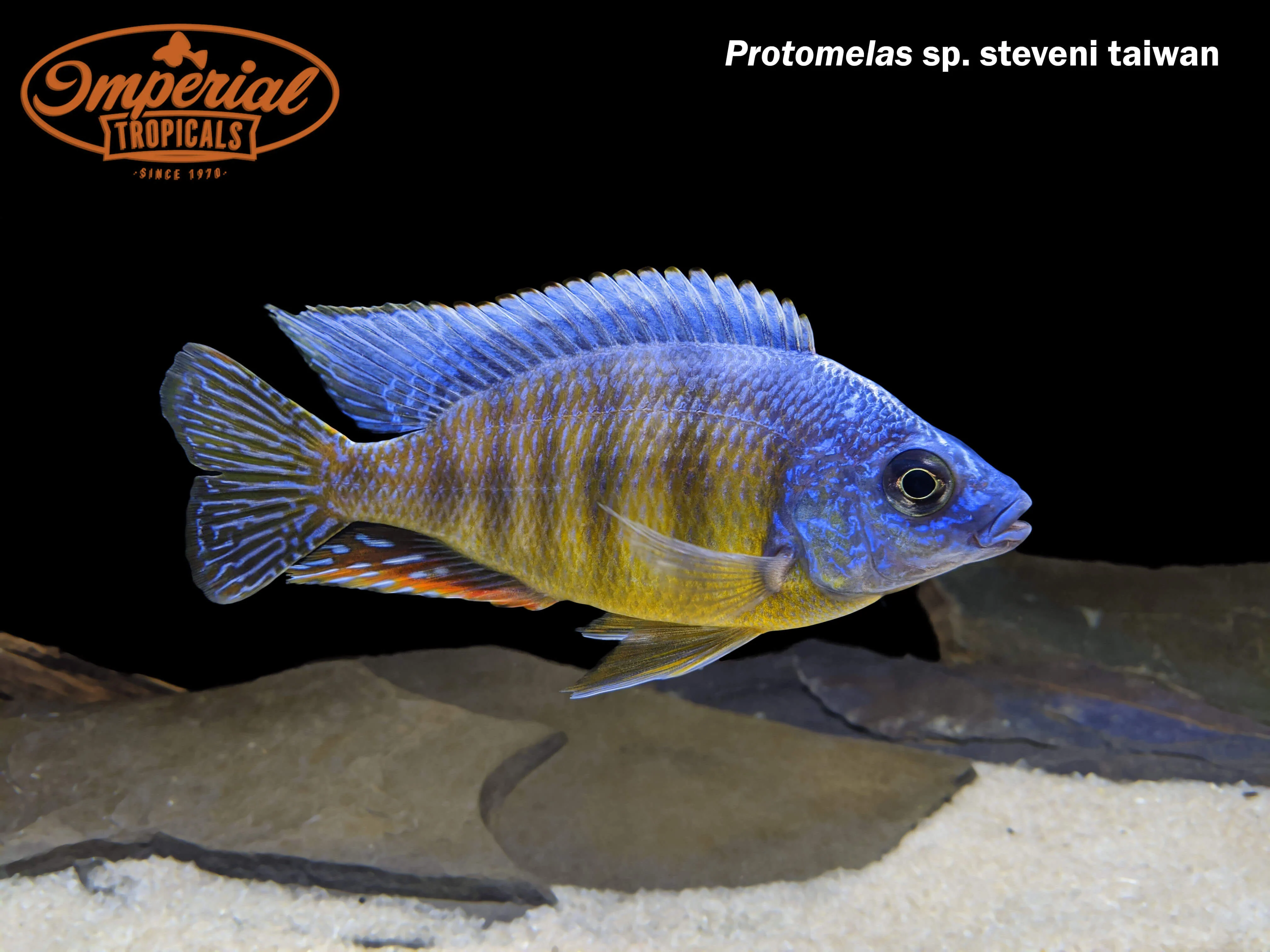
Remarks: The turkis peacock gets its name from the German word for "turquoise" in reference to where it was line-bred from some mutated, wild specimens as well as their brilliant blue color. As they are not a naturally occurring species, there can be quite a bit of variation in their appearance. Some male fish will display a reddish tint in the tips of their fins and their bellies, while others may show orange or yellow. What is a constant, are their beautiful blue faces and bodies as well as a silvery-blue or white edge at the top of their dorsal fin.
Females, typical of peacock cichlids, are gray, tan, silver, or brown. Both can display faint vertical bars that tend to become more apparent when stressed. What also comes with being a man-made fish is that turkis peacocks can be rather feisty even for a peacock making them an excellent choice for the more aggressive hybrids such as OBs and dragon bloods.
Original: $10.99
-65%$10.99
$3.85


Description
Remarks: The turkis peacock gets its name from the German word for "turquoise" in reference to where it was line-bred from some mutated, wild specimens as well as their brilliant blue color. As they are not a naturally occurring species, there can be quite a bit of variation in their appearance. Some male fish will display a reddish tint in the tips of their fins and their bellies, while others may show orange or yellow. What is a constant, are their beautiful blue faces and bodies as well as a silvery-blue or white edge at the top of their dorsal fin.
Females, typical of peacock cichlids, are gray, tan, silver, or brown. Both can display faint vertical bars that tend to become more apparent when stressed. What also comes with being a man-made fish is that turkis peacocks can be rather feisty even for a peacock making them an excellent choice for the more aggressive hybrids such as OBs and dragon bloods.